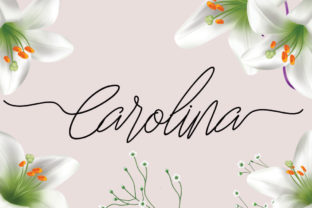
Carolina and the Future of Graphic Design
Every designer knows the moment when a project finally clicks—when every element aligns to create something truly memorable. That is the promise of Carolina and its focus on clarity, consistency, and emotional resonance. By embracing this design philosophy, creatives can build work that not only looks stunning but also communicates with purpose.
Why Carolina and Its Principles Matter in Modern Visual Design
In a crowded visual landscape, standing out requires more than just good taste. Carolina and its structured framework provide a way to make design decisions that feel intentional and cohesive. Whether you are working on brand identity, web design, or social media graphics, this approach ensures every choice—from typography to color palette—serves the overall message.
For branding and logo design, Carolina and its emphasis on visual hierarchy and scalability are invaluable. A logo should be recognizable at any size, and the Carolina method encourages designers to test marks across applications, from tiny favicons to large-scale signage. This attention to detail builds trust and recognition over time.
Practical Applications Across Creative Projects
The versatility of Carolina and its principles makes it valuable across a wide range of deliverables. Here are just a few areas where this design philosophy shines:
- Marketing materials – Brochures, flyers, and presentations benefit from Carolina’s focus on readability and consistent visual language, ensuring professional presentation every time.
- Social media graphics – With Carolina, you can create a series of posts that feel unified without being repetitive, using variations on a theme to maintain engagement.
- Website and UI design – Carolina prioritizes user experience by ensuring that navigation, buttons, and content layouts follow a logical flow, improving UX and usability.
- Editorial layouts – Magazines and reports gain credibility when typography and spacing adhere to Carolina’s principles of balance and readability.
- Packaging design – Product packaging that follows Carolina stands out on shelves while clearly communicating brand values through thoughtful composition.
- Advertising campaigns – Consistency across print and digital ads reinforces brand recall and creates a cohesive brand identity.
By applying Carolina to these contexts, designers save time and reduce guesswork. The result is a polished, professional look that resonates with audiences and meets business goals.
Selecting and Evaluating Design Elements the Carolina Way
When choosing typography, color palettes, or imagery, Carolina encourages a strategic mindset. Ask yourself: Does this choice reinforce the brand identity? Is it readable across devices and sizes? Does it create the right emotional response?
Typography should be both functional and expressive. A Carolina-inspired selection often pairs a strong headline font with a highly readable body face, ensuring clarity in both print and digital environments. Similarly, the color palette should reflect the brand’s personality while maintaining accessibility standards. Carolina and its systematic approach help you build a cohesive visual language that works across all touchpoints.
The Role of Consistency and Visual Hierarchy
One of the core tenets of Carolina is consistency—not uniformity, but a coherent system that allows for creative variation. When every element feels like it belongs to the same family, the user experience improves. Visual hierarchy guides the eye, making key information impossible to miss. Carolina and its focus on structure ensure that your designs are both beautiful and functional.
For UX and UI designers, Carolina offers a blueprint for building interfaces that feel intuitive. By establishing clear patterns for buttons, headers, and interactive elements, you reduce cognitive load and help users accomplish tasks efficiently. This is where Carolina and user-centered design intersect, creating experiences that delight and perform.
Modern Aesthetics and Design Workflow
Carolina is not about rigid rules—it is a flexible tool that adapts to current design trends while maintaining timeless principles. Whether you are working on digital products, merchandise, or editorial design, this approach helps you stay current without losing sight of what makes good design work.
Incorporating Carolina into your workflow means thinking holistically. From the initial mood board to the final pixel, every decision should align with the core message. This saves time in revisions and creates work that feels complete, not cobbled together. Carolina and its emphasis on cohesion streamline the creative process.
Matching Audience Expectations with Design Goals
Different audiences respond to different visual cues. Carolina encourages research and empathy, helping designers tailor their choices to the people they are trying to reach. A youthful brand might use a more playful palette, while a financial institution benefits from restrained elegance. Carolina and its audience-first mindset ensure your designs connect emotionally.
By aligning design goals with audience expectations, Carolina bridges the gap between creative expression and practical communication. This is especially important in marketing, where clarity and emotional connection drive engagement and conversion.
Elevating Creative Assets with Intent
Whether you are a solo designer or part of a larger team, Carolina provides a common language for discussing design decisions. It reduces subjectivity and focuses the conversation on what works best for the project. Carolina and its principles give you the confidence to defend your choices with data and reasoning.
Ultimately, thoughtful design choices—guided by a clear philosophy—improve both aesthetics and communication. Carolina is a tool that helps creatives achieve that balance, delivering work that is not only beautiful but meaningful. By embracing this approach, you elevate every project from ordinary to exceptional, ensuring your designs leave a lasting impression on every viewer.